
The Arena’s Transformation of the Crowd
Quo VadisThis thread tracks how Roman spectators move from appetite for blood toward pity and unease as Christian victims confront death.
increasing Bearing strength in each event
 decreasing
Bearing strength in each eventdecreasingA Crowd Hungry for Games
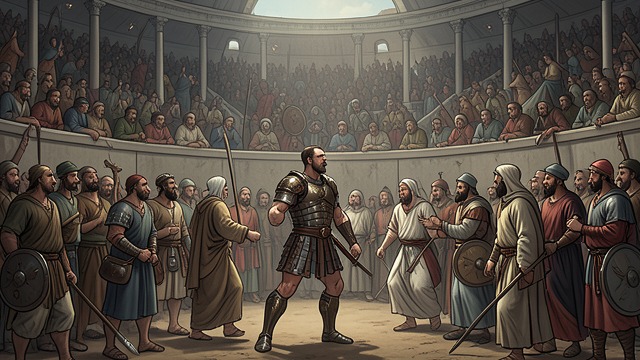
A Crowd Hungry for Games
Spectacle as civic habit
Romans gather for gladiatorial contests, bets, food, and gifts, treating violence as public entertainment.
Dehumanized victims
The accusations against Christians allow spectators to imagine that condemned people deserve any punishment.
The First Christian Procession
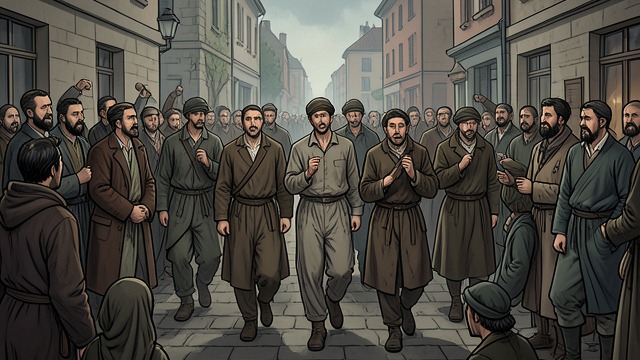
The First Christian Procession
Unexpected composure
The prisoners enter singing rather than begging for mercy. Their conduct disrupts the audience’s expectation of frightened criminals.
Curiosity replaces certainty
Some spectators wonder who Christ is and why the condemned can face death with such calm.
Blood Becomes Uneasy
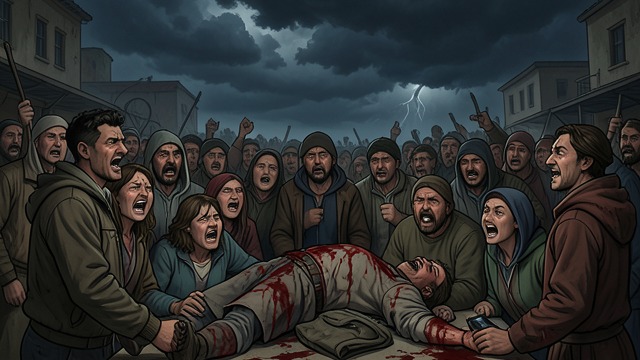
Blood Becomes Uneasy
Excess loses novelty
Executions, beasts, and mythological tortures continue, but repetition and cruelty begin to exhaust the spectators.
Sympathy emerges
The deaths of children and the sick provoke pity that imperial spectacle cannot fully suppress.
The Arena Demands Mercy

The Arena Demands Mercy
A different spectacle
Ursus saves Lygia through strength, turning the expected execution into an act of protection.
The crowd asserts itself
Spectators demand that both live, and Nero’s concession reveals the limits of his control in the arena.
Doubt Beyond the Games
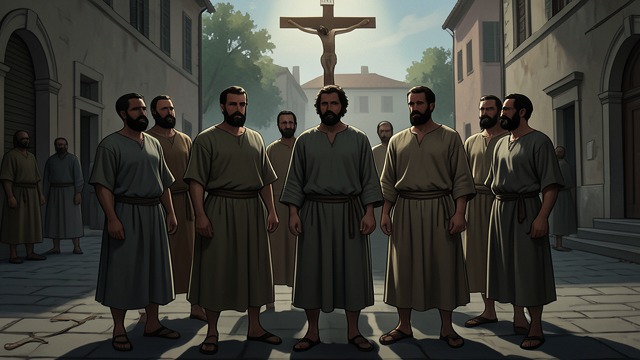
Doubt Beyond the Games
Questions spread
Romans discuss the martyrs’ courage and ask what kind of faith sustains them through torture.
A moral reversal
The spectacle intended to discredit Christians increasingly exposes the cruelty of their persecutors.
Before the Christian executions
At the opening of the arena executions
During the successive arena spectacles
When Ursus defeats the aurochs
After Christian executions become widely discussed
